
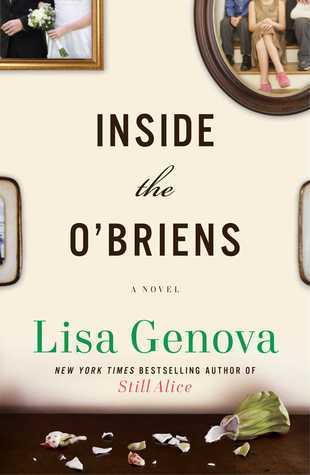
Joe O’Brien is a respected police officer in Boston. He is in his early forties and is married to Rosie. Together they have four adult children. Rosie and some of Joe’s colleagues start noticing changes in Joe’s behavior. He gets uncharacteristic temper outbursts and has involuntary movements. At first, Joe does not acknowledge that something is wrong, but Rosie finally convinces him to see a doctor. He is assessed by a neurologist and after going through genetic testing he is diagnosed with Huntington’s disease. With his children having fifty percent chance of inheriting HD, Joe’s diagnosis has a major impact on everyone in the O’Brien family. Everyone must reassess what matters the most to them in life.
Also available as audiobook on Audible
Ethical Issues:
Genetic Testing reproductive choices
Lack of cure/ Premature death Parental responsibility
Disability Quality of life
Hope Relational autonomy
Identity Dignity
Discussion questions:
• Rosie did not confront Joe about his involuntary movements and other signs until his colleague reached out to her. Why do you think Rosie didn’t speak to Joe about the changes earlier?
• Do you think Rosie and Joe should have told their children about the diagnosis sooner?
• Do you think JJ and Colleen made the right choice with regards to their pregnancy?
• What did you think of Joe’s decision not to tell his work colleagues about his diagnosis?
Do you think it would have changed anything if they had known earlier? Why/why not
• Why do you think Joe has all his T-shirts made?
• Imagine being in Joe’s children’s situation. Do you think you would want to undergo genetic testing to find out if you had inherited the genetic mutation that causes Huntington’s disease? Why/why not?
Discuss the following passages from the book:
p.101: “He hates the thought of putting Rosie and the kids through this unthinkable ordeal, through what he and Maggie and mostly Joe’s father witnessed, powerless. Shit. Maggie. Does she know anything about this? Did his father know? Did letting everyone think his mother was a drunk carry less shame than branding her name with Huntington’s’? If his father knew about HD, who was he protecting?”
p.167: “She can pray, hope, write positive affirmations on her bedroom wals, and light candles. She can meditate on an empty, white circle. None of it matters. There it is on the board. She either already has the gene or she doesn’t. “Fuck,” she says.”
p. 170: “Why should Felix be stuck with that kind of future, knowing it from the get-go? At least her parents have had twenty-five years together without knowing. No guy should have to be saddled with that kind of burden before even getting started.”
P. 189: [Katie] “So let me get this straight. I could take the text and get an answer that’s not an answer.”
[Eric, Genetic Counselor] “Unfortunately, yes.”
[Katie] She can’t believe it. This can’t be right. “So I could go through all this bullshit, decide I want to know, and then if the result is gray, I’ll essentially still be at fifty-fifty.”
[Eric] “Yes.”